
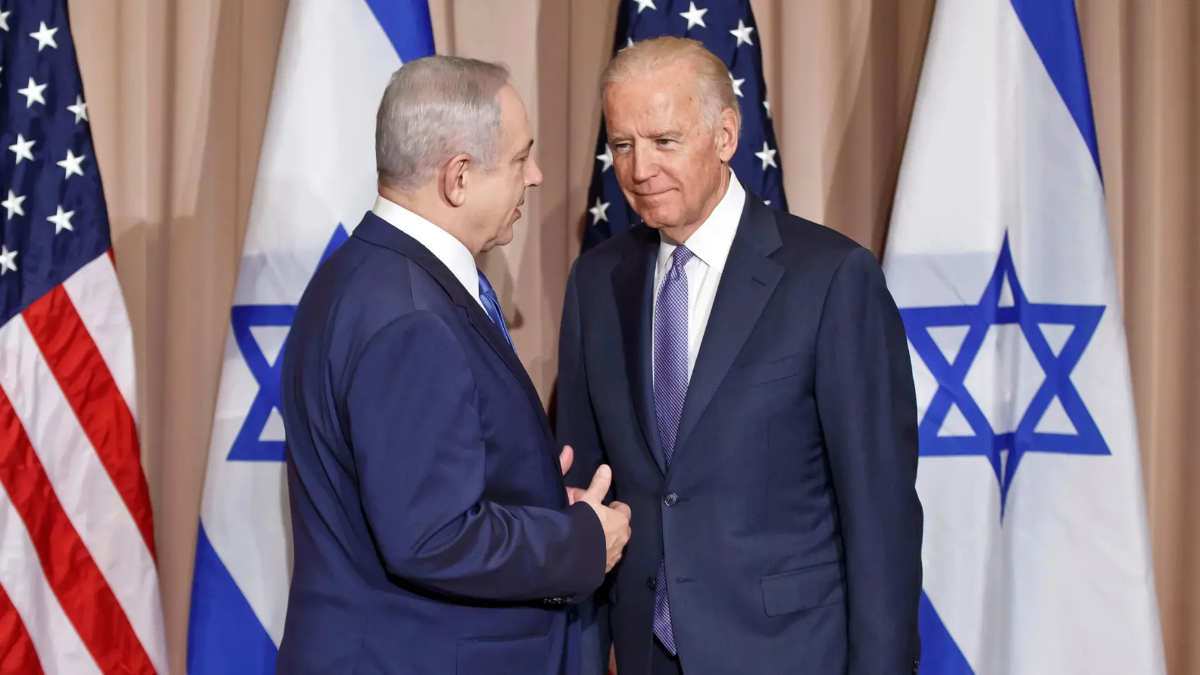
Biden Netanyahu ceasefire discussion has taken center stage as US President Joe Biden and Israeli Prime Minister Benjamin Netanyahu held a phone conversation on Sunday to address the ongoing conflict in Gaza. The discussion revolved around mediating a ceasefire and negotiating a deal for the release of hostages held by Hamas.
Updates On Ceasefire Talks In Doha
President Biden, who will leave office on January 20, received updates from Netanyahu about the progress of ceasefire negotiations being mediated in Doha. The Israeli delegation has reportedly laid out terms for a potential agreement, but challenges remain as the Palestinian militant group Hamas has yet to relent on certain demands.
Jake Sullivan, Biden’s National Security Advisor, expressed optimism about the deal, stating that negotiations were “very close” but not finalized due to Hamas’s firm stance. Sullivan emphasized the administration’s commitment to resolving the issue during its remaining days in office.
“We are determined to use every day we have to secure a ceasefire and the release of hostages,” Sullivan said, underscoring the administration’s urgency.

Role Of The Biden Administration In The Talks
The Biden administration has been actively involved in mediating between Israel and Hamas, leveraging partnerships with Egypt and Qatar to broker a ceasefire. Biden has been receiving regular updates on the talks, reflecting the administration’s prioritization of de-escalating the conflict and addressing the humanitarian crisis in Gaza.
Trump Administration’s Middle East Agenda
As the Biden administration works toward securing a deal, the incoming Trump administration has signaled a strong focus on the Middle East. President-elect Donald Trump has vowed to bring peace to the region, although his approach remains unclear.
Vice President-elect JD Vance hinted that a hostage release deal could be announced in the final days of Biden’s presidency. Speaking to Fox News, Vance said, “Regardless of when that deal is struck, it will be because people are terrified that there are going to be consequences for Hamas.”
Trump’s Middle East envoy, Steve Witkoff, has reportedly been involved in the Doha negotiations alongside Egyptian and Qatari mediators. The incoming administration’s rhetoric suggests a more aggressive stance against Hamas, aligning with Trump’s broader approach to combating militant groups.
The Humanitarian Crisis In Gaza
The conflict in Gaza has had devastating consequences, with over 46,000 deaths reported by the Palestinian health ministry. Meanwhile, roughly one hundred hostages remain in Hamas’s custody, adding to the urgency of the negotiations.
Efforts to secure a ceasefire and facilitate hostage release have faced significant challenges, with Hamas maintaining its demands despite international pressure. The ongoing mediation in Doha aims to address these complexities while prioritizing humanitarian relief for the region.


Global Implications Of A Ceasefire
The success or failure of these talks will have far-reaching implications for the Middle East and beyond:
- Stability In The Region: A ceasefire could pave the way for renewed peace efforts and reduced violence in Gaza.
- US-Israel Relations: The outcome of these negotiations will influence the dynamics between the US and Israel, particularly as Trump prepares to take office.
- International Diplomacy: The involvement of Egypt, Qatar, and other mediators highlights the importance of multilateral efforts in resolving complex conflicts.
What Lies Ahead?
With both the outgoing Biden administration and the incoming Trump administration focusing on Gaza, the coming weeks will be critical in shaping the region’s future. While Biden’s team aims to finalize a deal before January 20, Trump’s aggressive rhetoric signals potential shifts in US policy toward the Middle East.
The ongoing ceasefire discussions underscore the complexity of resolving the Gaza conflict, but they also offer a glimmer of hope for hostages and civilians affected by the violence.