

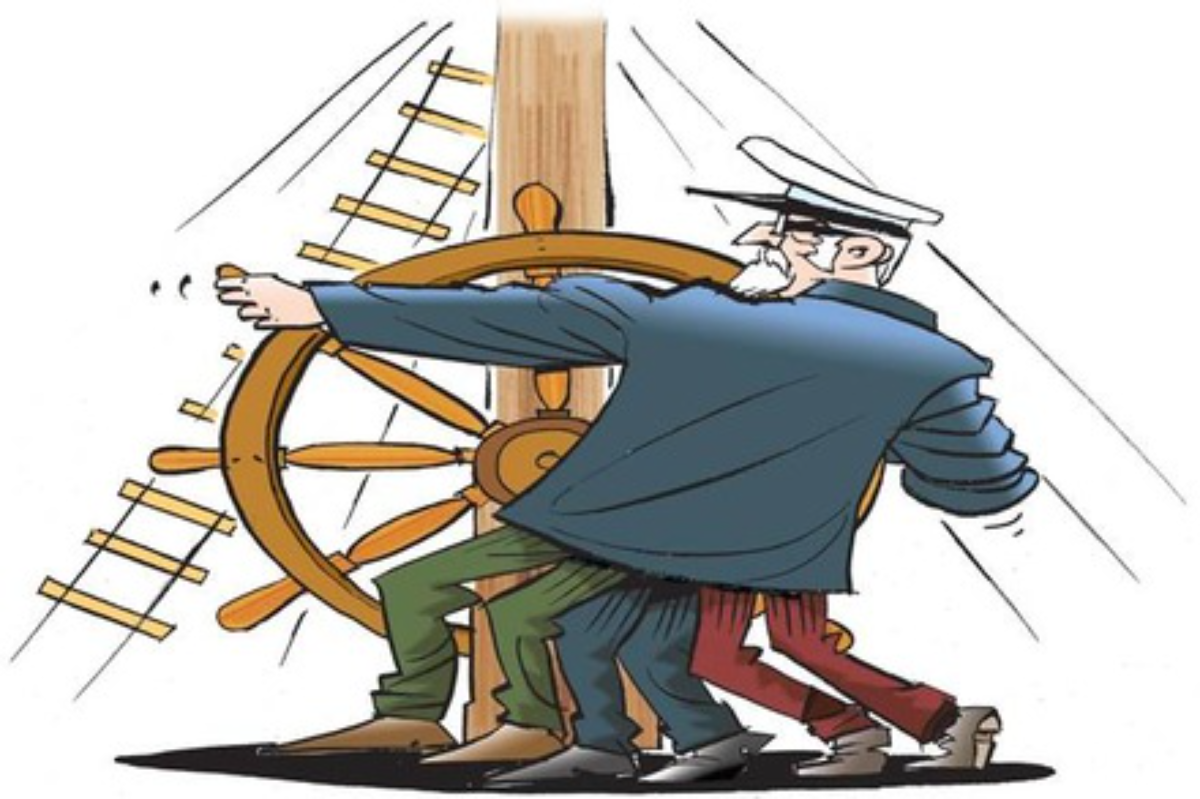
Governance challenges in India are deeply rooted in a two-fold system where criminals and bureaucrats dominate the decision-making processes. This unique governance structure often excludes key stakeholders, including industry experts and intellectuals, from policy formulation, leading to impractical and counterproductive laws.
The Dual Structure Of Indian Governance
India’s governance system operates on two primary pillars:
- Politicians With Questionable Credentials:
Many elected representatives are individuals with criminal records or little understanding of lawmaking, yet they hold the power to legislate and shape the future of the nation. These individuals often win elections through means that prioritize influence over merit, sidelining capable leaders who could contribute constructively to the country’s growth. - Bureaucrats With Limited Practical Experience:
The second pillar comprises bureaucrats who enter the system through the highly competitive Union Public Service Commission (UPSC) examination. While these individuals may possess academic knowledge in fields like medicine or engineering, they often lack an understanding of India’s socio-political and economic realities. With no prior work experience in governance or policy implementation, they make decisions that impact millions.
This dual structure creates a disconnect between governance and ground realities, with a lack of consultation mechanisms exacerbating the problem.
Lack Of Stakeholder Consultation
One of the glaring deficiencies in Indian governance is the absence of meaningful consultation with stakeholders who possess decades of experience and a holistic understanding of challenges. Whether it is policy formulation or law-making, industry experts, entrepreneurs, and intellectuals are rarely consulted.
Why This Is A Problem?:
- Policies often lack practical implementation frameworks, making them theoretical and unfeasible.
- Entrepreneurs, the backbone of job creation and wealth generation, feel stifled by laws that are anti-trade and anti-people.
- A lack of expert opinions results in policies that do not address real-world challenges, causing economic and social disruptions.
The Entrepreneurial Dilemma
Indian entrepreneurs face a difficult environment where unimplementable laws and excessive regulation make compliance nearly impossible. As a result, many are forced to operate in a gray area, inadvertently breaking laws to sustain their businesses.
Key Issues Entrepreneurs Face:
- Claustrophobic Policies: Entrepreneurs often describe Indian policies as overly restrictive, which stifles innovation and growth.
- Over-Taxation: The tax burden on the middle and upper classes, along with businesses, hampers wealth generation and spending power.
- Disconnect Between Government Arms: Entrepreneurs often encounter conflicting directives from different government departments, creating confusion and inefficiency.
These challenges discourage entrepreneurship, a worrying trend for a country aiming to become a global economic powerhouse.
Hiranandani’s Concerns On Governance
Prominent entrepreneur Mr. Hiranandani, a leading name in India’s infrastructure industry, has raised serious concerns about governance and policy-making.
Key Points Highlighted By Hiranandani:
- Lack Of Coordination Within The Government: He points out that one arm of the government often works at odds with the other, resulting in inconsistent and contradictory policies.
- Affordable Housing Challenges: Despite affordable housing being a key government initiative, policies and taxes make it increasingly difficult for developers to deliver on this promise.
- Over-Taxation Of The Middle And Rich Classes: Hiranandani emphasizes that excessive taxation disincentivizes wealth creation and impacts economic growth.
His critique reflects a broader sentiment among entrepreneurs who feel excluded from the governance process, despite their critical role in shaping the nation’s economy.
The Need For Inclusive Policy Making
Hiranandani’s concerns bring to light the urgent need for a governance overhaul. Policymaking in India must become more inclusive, practical, and aligned with ground realities.
Why Involve Experts Like Hiranandani In Governance?
- Real-World Experience: Industry leaders bring hands-on experience and a deep understanding of challenges in their respective fields.
- Practical Solutions: Their inputs can ensure that policies are implementable and result-oriented.
- Economic Impact: Policies designed in consultation with experts are more likely to drive growth, create jobs, and improve living standards.
Countries like Germany and Singapore have successfully involved industry leaders and intellectuals in governance, creating models of economic and social prosperity.
Steps Toward Better Governance
To address the governance challenges highlighted by Hiranandani and others, India must take the following steps:
- Establish Consultation Mechanisms:
Create platforms for regular dialogue between policymakers and industry stakeholders. This could include advisory councils comprising entrepreneurs, academics, and professionals. - Revamp Bureaucratic Training:
Introduce practical governance training for bureaucrats, focusing on socio-political realities, stakeholder engagement, and implementation challenges. - Streamline Policies Across Departments:
Ensure coordination between various arms of the government to avoid contradictory directives and inefficiencies. - Simplify Regulations:
Replace overly complex laws with simplified, business-friendly regulations that encourage compliance and economic activity. - Tax Reforms:
Address over-taxation and provide incentives for businesses and individuals to drive growth and wealth creation.
A Call For Change
India’s governance model must evolve to meet the demands of a dynamic and fast-changing world. Inclusive policymaking, involving experts like Hiranandani and other stakeholders, can bridge the gap between governance and ground realities.
A collaborative approach that prioritizes practicality, transparency, and innovation will not only strengthen India’s economy but also restore faith in its governance systems.